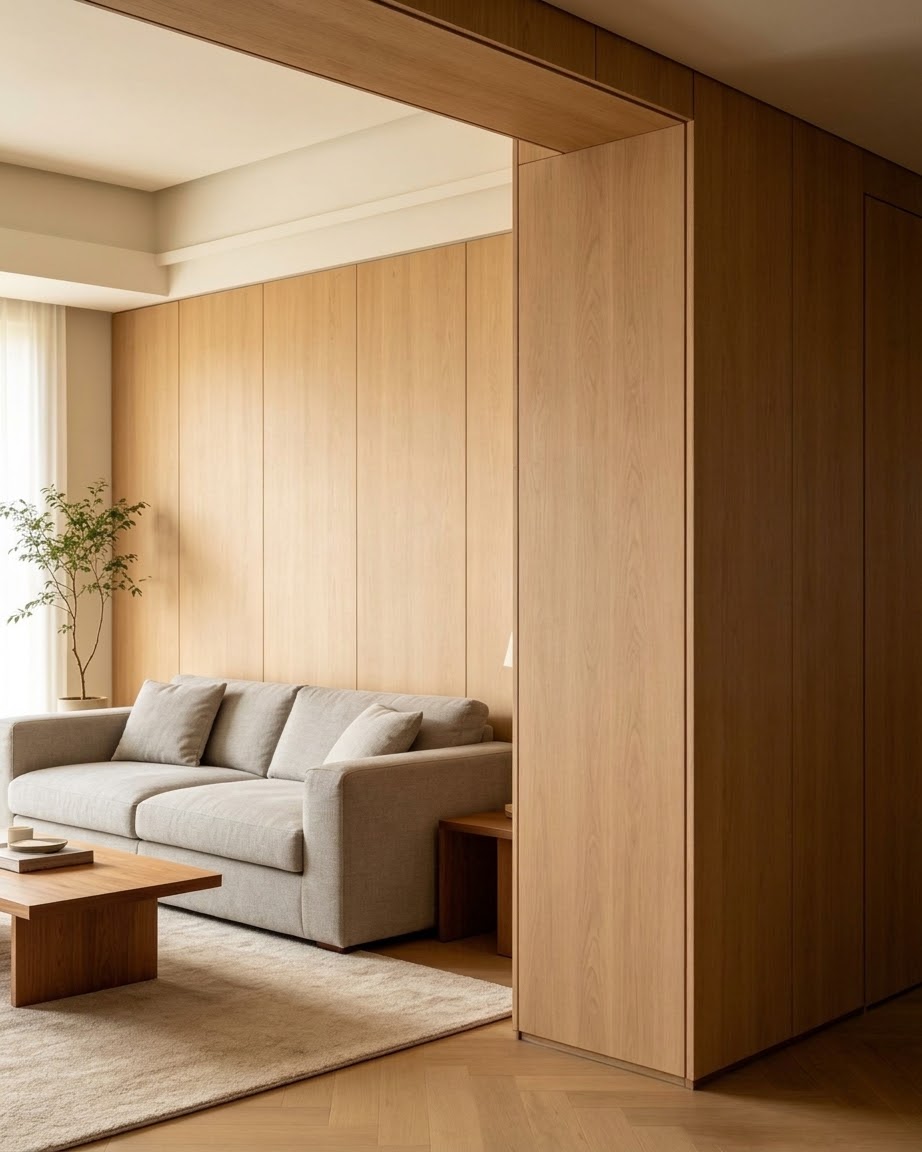
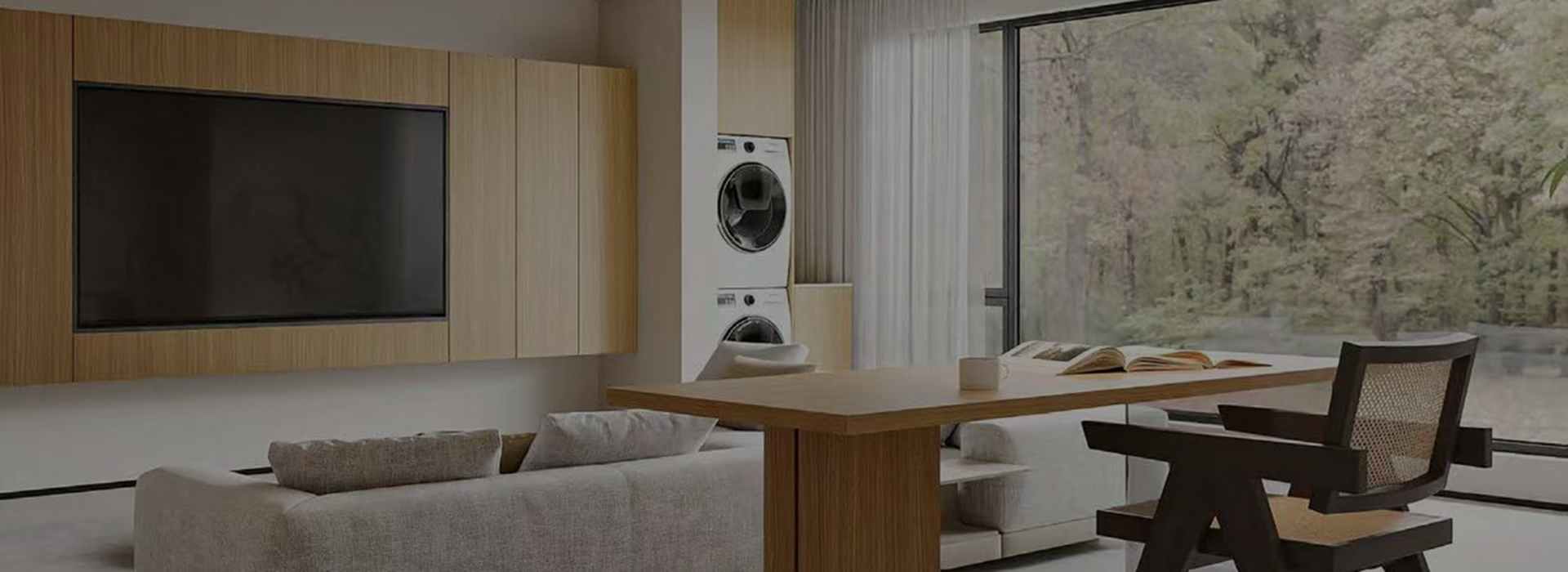
When it comes to modern wall decoration, many people are no longer limited to latex paint, wallpaper, and traditional wood veneers.
Especially for balconies, foyers, living room feature walls, and bedroom background walls, more and more people are turning their attention to aluminum wall panels.
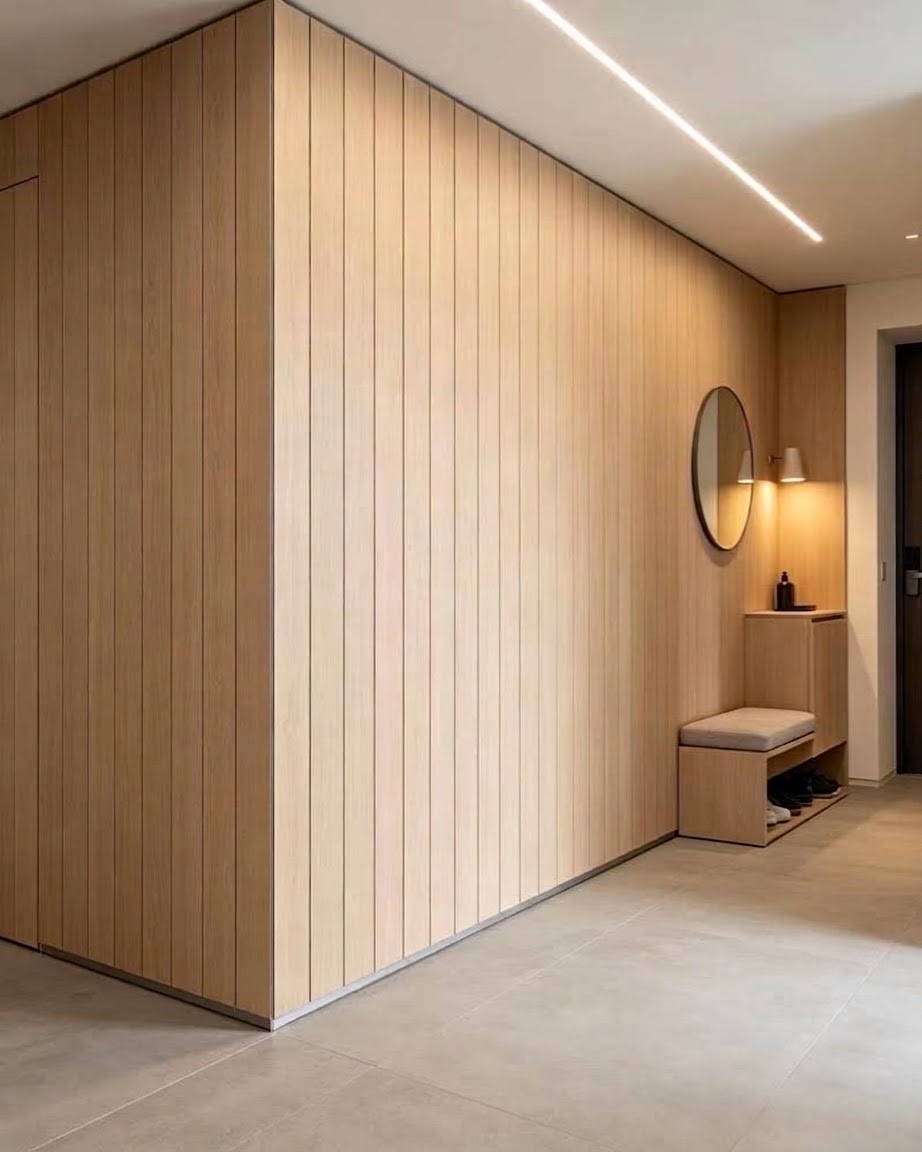
Among them, seamless light wood-grain aluminum wall panels are particularly popular.
It looks like natural wood finish, but the base material is aluminum alloy. In theory, it is more moisture-resistant, scratch-resistant, and stable, making it well-suited for spaces that require higher wall durability.
01 | Check the Seamless Fit First, Not Just the Wood Grain
Whether light wood-grain aluminum wall panels look good at first glance depends mostly on the joints.
If the gaps are too wide or the lines are uneven, even the most beautiful wood grain will look cheap.
The key points of the seamless fit (tight-joint) process are:
• The panel seams must be narrow and fine
• The gaps must be straight and level
• The panel sizes must be uniform
• Corners and door frames must be finished cleanly
• It is best to inspect an actual physical sample before large-area installation
Especially in key visual areas such as living room, foyer, and bedroom feature walls, the joining details affect the overall texture and quality even more than the panels themselves.
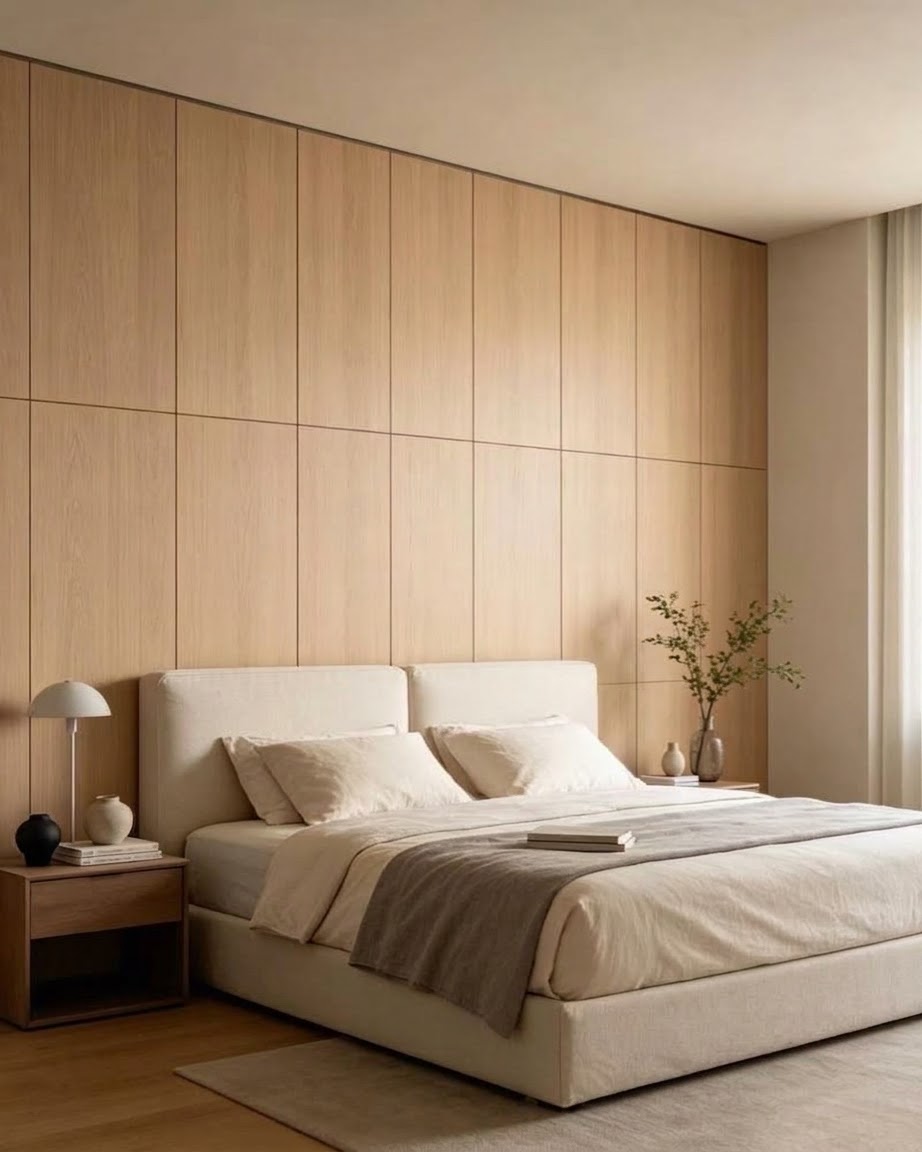
02 | Choose a "Restrained" Light Wood Grain
Since these are aluminum alloy wall panels, the wood grain should not look overly fake or busy.
If the texture is too deep or the color is too yellow, it can easily look outdated or cheap.
Safer choices for light wood grain include:
• Low-saturation beige-grey wood tones
• Delicate, non-exaggerated grain patterns
• A clean panel surface with minimal knots
• Colors that flow naturally with the flooring and cabinet doors
• Shades suited for modern, cream aesthetic, minimalist, and Scandinavian/natural wood styles
The advantage of light wood grain is its warmth, but picking a tone that is too yellow or dark can easily ruin the overall clean aesthetic.
03 | Don't Ignore Installation Edge Trimming and Finishing
Aluminum alloy wall panels are not simply a "buy and you're done" product.
The subfloor preparation, leveling, edge trimming, inside/outside corners, baseboards, and ceiling transitions during installation will all affect the final result.
Key points to confirm before installation:
• Whether the wall surface requires leveling
• Whether a base layer (sub-framing) is needed
• Whether the panel seams match in color or have narrow gaps
• How the baseboards will be finished and trimmed
• How transitions at door and window frames will be handled
• Whether cutouts for switches and sockets are measured and prepared in advance
• Whether it will be convenient for future disassembly and maintenance
If the installation is poor, even if the panels themselves are high quality, issues like crooked seams, uneven panel surfaces, and rough edge-finishing will appear.
04 | Which Spaces Are Best Suited?
Light wood-grain aluminum wall panels are especially well-suited for these areas:
• Foyer feature walls
• Living room TV background walls
• Sofa feature walls
• Bedroom headboard background walls
• Balcony walls
• Hallway/corridor walls
• Partial accent walls
It delivers the warm feel of natural wood grain while offering far superior moisture resistance and stability compared to standard wood veneer, making it ideal for families seeking a "light renovation with high-end texture."
05 | Which Situations Require Caution?
It is not suitable for every single location either.
For example, if you plan to cover full walls throughout the entire house, you must carefully control the budget and visual balance; using dark large panels in small spaces can also easily make the area feel cramped and oppressive.